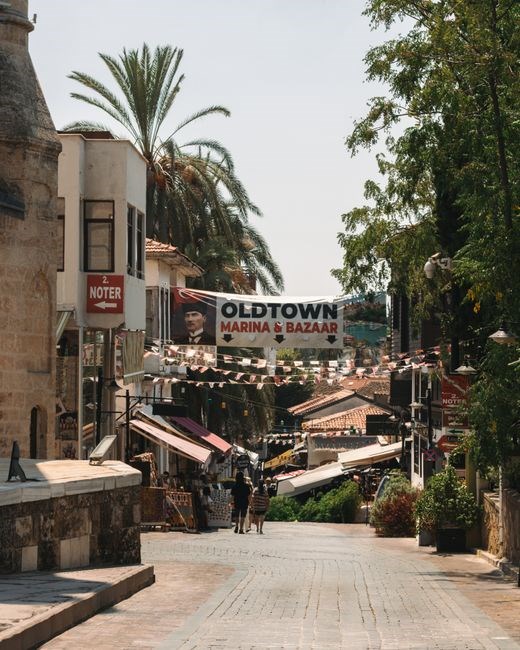
Discover the charm of the Old Town, where cobblestone streets weave through centuries of history. This guide offers a snapshot of its vibrant atmosphere, key attractions, and practical tips to help you navigate and enjoy every historic corner. Explore alleys, cafés, and artisan shops that keep the town alive!!
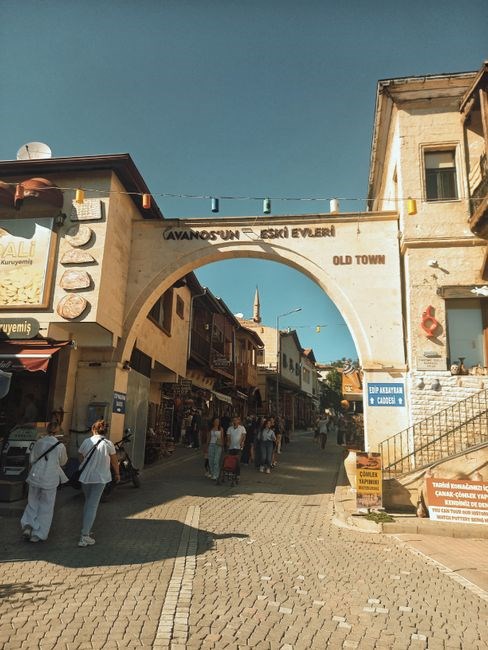
What Makes an Old Town Unique
Old towns captivate visitors with a blend of timeless streets, historic façades, and living traditions that feel almost tangible. The narrow, winding alleys invite exploration, revealing hidden courtyards, stone bridges, and centuries‑old market stalls that have survived the test of time. Each building, whether a modest townhouse or a grand civic structure, tells a story through its architectural details—arched windows, carved lintels, and weathered stone that echo the craftsmanship of eras past.
Walking through an old town feels like stepping into a museum, where every stone, shop, and street corner tells a story of past and present. Heritage invites travelers to pause, explore, and immerse in the town’s and bold rhythm.
- Authentic street markets that have traded goods for centuries.
- Architectural layers that reveal transitions from medieval to Renaissance styles.
- Community stewardship that protects historic façades while encouraging modern use.
- Interactive cultural practices that invite visitors to participate in age‑old customs.
Walking through an old town feels like stepping into a museum, where every stone, shop, and street corner tells a story of past and present. Heritage invites travelers to pause, explore, and immerse in the town’s and bold rhythm.
Historical Overview
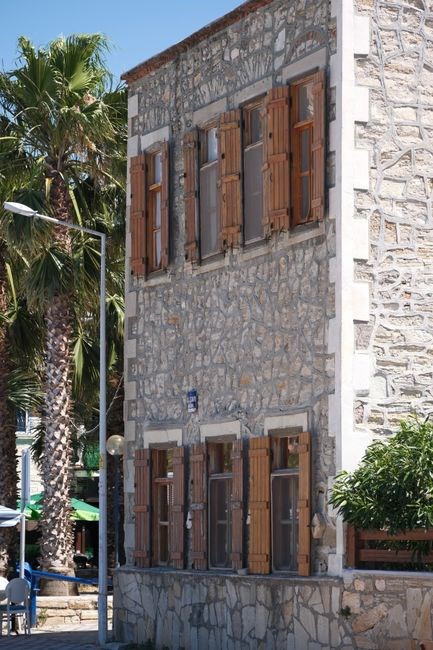
From its founding in the 12th century, the Old Town evolved through medieval trade, Renaissance art, and Baroque splendor. Each era left distinct layers—stone walls, ornate facades, and cobblestone streets—creating a living tapestry of history that welcomes every visitor. Enjoy :)!
From Founding to Modern Day
Established in the early 12th century, the Old Town began as a fishing settlement perched on an ancient hill overlooking the river. Its first stone walls were erected in 1150, marking the beginning of a fortified community that would grow with the rise of trade. By the 14th century, merchants from across Europe arrived, bringing diverse cultural influences that shaped the town’s architecture and social fabric. The 15th‑16th centuries saw guilds flourish and the grand cathedral rise, its spire still dominating the skyline. During the Renaissance, the town became a hub for artists and scholars, evidenced by the vibrant frescoes that adorn many of its public buildings. The 19th century brought industrialization, yet the Old Town preserved its medieval charm by limiting large-scale construction. The 20th century was marked by two world wars; the town endured bombings but emerged resilient, with restoration projects carefully restoring historic façades. Today, the Old Town balances heritage preservation with amenities, offering museums, cafés, and golden sparkling lively historic timeless festivals that celebrate its past. Visitors stroll through time, experiencing layers of history that define this urban landscape. In the 21st century, the Old Town has embraced sustainable tourism, implementing pedestrian zones and heritage trails that guide visitors through its ancient historic districts. The local council has invested in digital archives, allowing residents and tourists to access maps of the town’s evolution. Annual festivals, such as the midsummer lantern procession, draw crowds, reinforcing communal bonds and showcasing music and dance. The town’s culinary scene reflects its maritime roots, with seafood delicacies served in taverns that have operated for generations. Educational programs in the historic schoolhouse reveal medieval guild practices, while square art installations showcase creativity. The Old Town remains a testament to resilience, where each ancient stone tells a story of adaptation and pride!!!!!!!!

Architectural Highlights
Explore the Old Town’s architectural tapestry, from fortified medieval walls to Renaissance palaces and Baroque churches. Each stone tells a story of artisanship, evolving styles, and cultural fusion, inviting visitors to walk through centuries of design brilliance. A journey!!
Medieval, Renaissance, and Baroque Structures
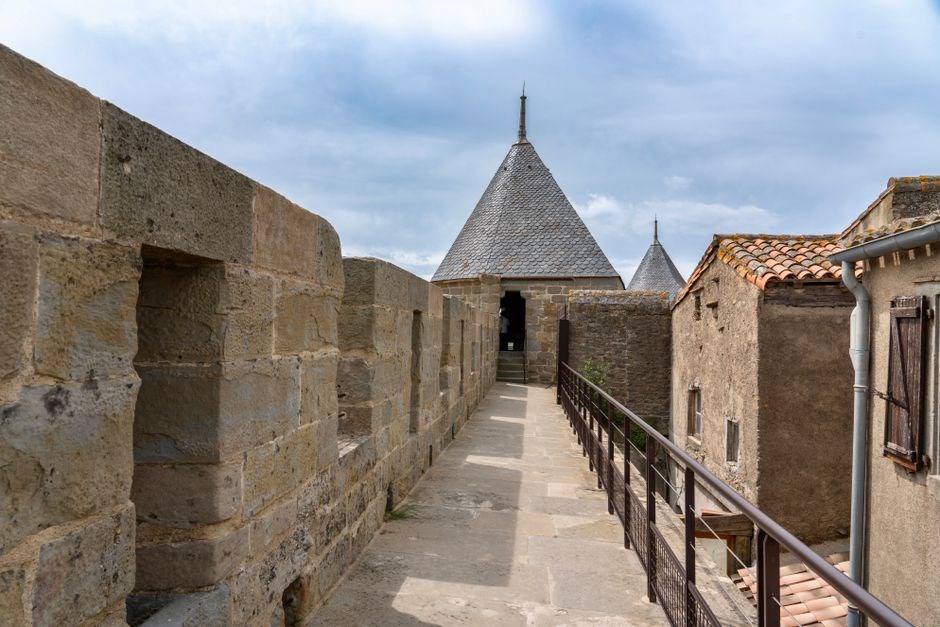
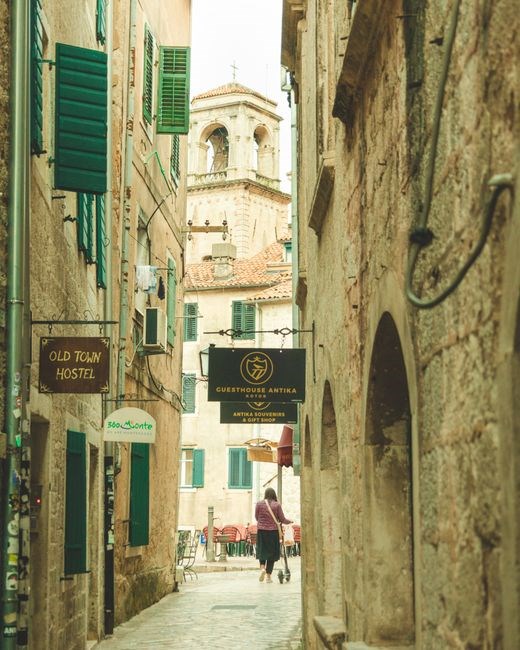
The Old Town’s medieval core is a living museum, with stone walls that echo the clang of armor and the hush of candlelit markets, each archway a portal to a bygone era. The narrow lanes wind past the ancient city gate, where the original watchtower still looms, its crenellated roof a testament to centuries of vigilance. As you turn a corner, the Renaissance palazzo rises, its symmetrical façade adorned with ornate pilasters and a grand portico that invites travelers to pause and admire the harmonious blend of proportion and artistry. The marble columns, once carved by master artisans, now support a balcony that offers sweeping views of the bustling square below, where merchants display their wares and locals gather for lively conversation. Further along, the Baroque cathedral commands attention with its dramatic façade, gilded spires, and intricate stucco work that narrates biblical tales in vivid detail. Inside, the vaulted ceilings rise like a cathedral of stone, echoing with the resonant chants of choirs that have sung there for generations. The interior is a symphony of light, with stained‑glass windows casting kaleidoscopic patterns across the marble floor, while the gilded altars and frescoed ceilings showcase the opulence of the Baroque period. Between these architectural marvels, the cobbled streets reveal hidden courtyards, each with its own story: a medieval bakery that still bakes bread using a centuries‑old stone oven, a Renaissance garden where the scent of roses mingles with the scent of freshly brewed coffee, and a Baroque theater that hosts performances of operas and ballets that echo the grandeur of its ornate stage. Walking through the Old Town, one cannot help but feel the layers of history overlaying each other, creating a tapestry of stone, art, and culture that invites every visitor to step back in time and experience the evolution of architectural brilliance in a single, unforgettable journey.
Must-See Landmarks
Explore the cathedral’s soaring spires, the ancient city gate, the bustling market square, and the historic library, each offering unique insights into the town’s past. Don’t miss the art‑filled museum, the serene fountain, and the panoramic hilltop view. and the historic clock tower
Key Sights and Their Stories
Clock tower, with its brass bell tolled through wars, stands as symbol of time’s march. Its painted face reflects heritage. Nearby, the artisan square hosts workshops where craftsmen practice techniques. The scent of bread fills the air. Town Museum, housed in former guildhall, showcases artifacts from Roman pottery to Renaissance tapestries, offering a 360‑degree view from its rooftop terrace. Explore heritage — a timeless journey.
Cultural Experiences
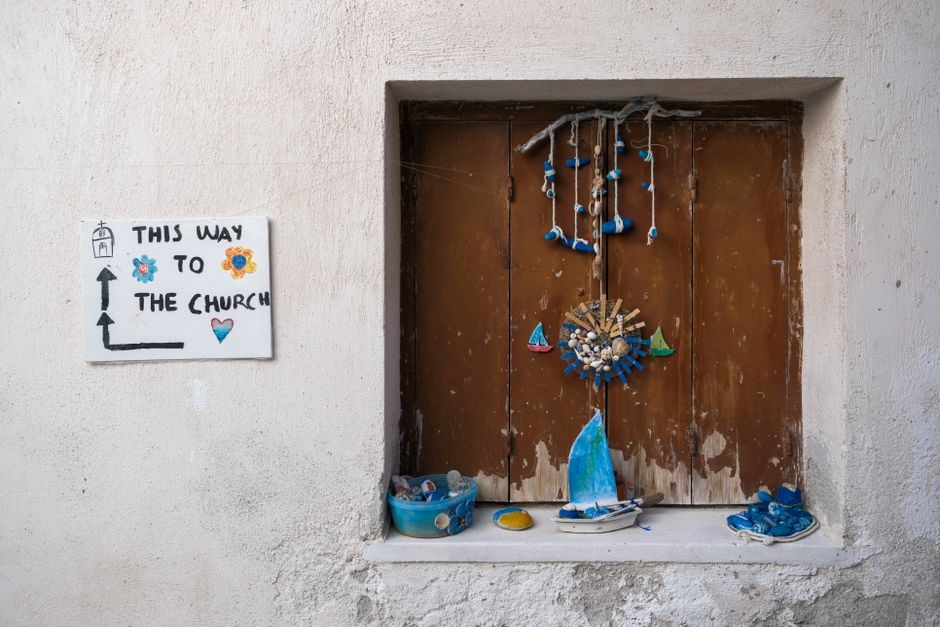
Immerse yourself in the Old Town’s living culture: weekly markets, street musicians, and historic cafés echoing centuries of tradition. Attend the annual lantern festival, taste local cheeses, and visit the folk‑art gallery where artisans display age‑old techniques. Every corner whispers stories of resilience. today.!
Festivals, Museums, and Local Traditions
In the Old Town, festivals are the heartbeat of community life, blending centuries‑old customs with contemporary flair. The spring flower parade, held each May, showcases vibrant floats, while the midsummer solstice celebration features torchlit processions inviting visitors to taste traditional honeyed pastries and listen to folk songs that echo the region’s heritage. Winter’s snow festival transforms the main square into a wonderland, complete with ice sculptures, and a nightly choir that performs carols in the native tongue, preserving linguistic traditions for younger generations.
The Heritage Museum, housed in a 14th‑century manor, displays medieval manuscripts, period costumes, and interactive exhibits that allow guests to try on historic armor. The Contemporary Art Gallery, located in a former textile warehouse, showcases rotating installations that reflect modern societal themes while paying homage to the town’s industrial past. The Maritime Museum, perched on the waterfront, chronicles local fishing lore with life‑size models of ancient boats. Visitors enjoy guided tours. And a nightly choir that performs in.
Local customs weave through everyday life. The weekly farmers’ market, open each Saturday from dawn to dusk, offers fresh produce, homemade cheeses, and hand‑woven textiles crafted by families who have farmed the surrounding hills for generations. Storytelling evenings in the old town hall invite elders to share legends, while the annual “Lantern Walk” invites everyone to light paper lanterns, symbolizing unity and shared hopes. These customs, rooted in history, weave a living tapestry inviting all to join.
Culinary Delights
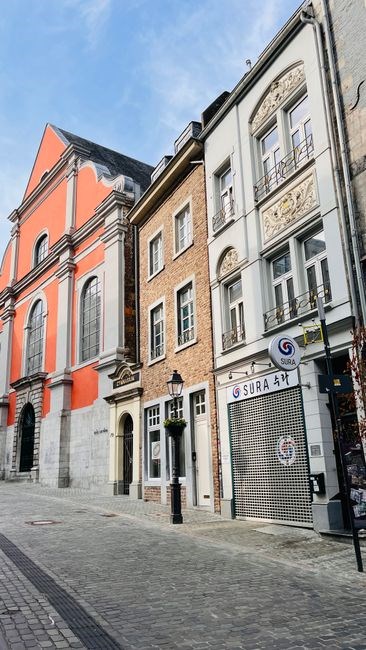
Explore the Old Town’s food scene, from historic taverns serving hearty stews to modern cafés offering artisanal pastries. Sample local cheeses, fresh bread, and seasonal fruits, then enjoy a wine tasting featuring regional vintages in cozy, centuries‑old taverns. Try honey cake, a sweet treat from the 18th year.
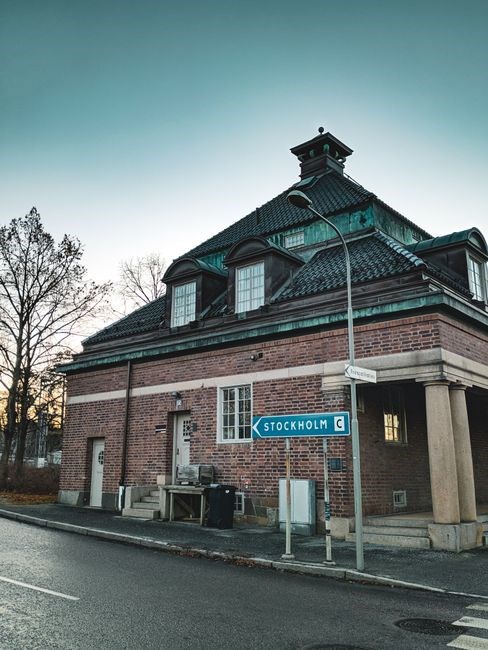
In the heart of the Old Town, culinary traditions thrive in a tapestry of flavors that echo centuries of heritage. The local market stalls brim with fresh produce, aromatic herbs, and the unmistakable scent of roasting meats. Visitors can indulge in hearty stews simmered with root vegetables, slow‑cooked pork ribs, and savory dumplings that have been passed down through generations. A must‑try is the signature dish of smoked trout, served with a side of buttery rye bread and a drizzle of local honey‑mustard sauce, a delicacy that pairs perfectly with a glass of crisp regional white wine.
For those seeking a refined dining experience, the Old Town boasts several restaurants that blend historic ambiance with modern culinary techniques. La Tavola del Re offers a menu that fuses traditional recipes with contemporary twists, featuring dishes such as truffle‑infused risotto and rosemary‑garlic roasted lamb. The intimate setting, with exposed stone walls and flickering candlelight, transports diners back to a bygone era while the chef’s seasonal specials showcase the best local produce.
Another culinary gem is Il Caffè delle Storie, a family‑owned café that has served generations of patrons since the 19th century. Their signature pastry, a flaky almond tart dusted with powdered sugar, is a beloved treat among locals. The café’s open‑air kitchen allows guests to watch artisans craft delicate pastries and savory sandwiches, all made from locally sourced ingredients.
For street‑food lovers, Market Square Bistro serves grilled cheese with caramelized onions and savory meat pies—perfect for a mid break.
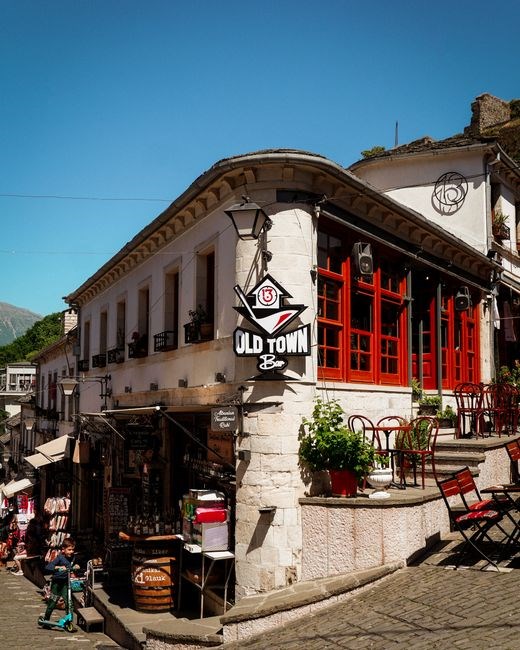
Practical Tips for Visitors
Plan your visit early: open hours are 9‑5, but some sites close by 4. Walk the cobblestones with sturdy shoes; many streets are uneven. Local transport is efficient—buses run every 15 minutes. Stay hydrated, carry a map, and enjoy the historic charm safely. Enjoy the walk!!.
Getting Around, Accommodation, and Safety
Getting around the Old Town is a blend of historic charm and modern convenience. The compact layout makes walking the best option; cobblestone streets guide you to landmarks, while a network of pedestrian zones ensures safety. For those preferring public transport, the city’s bus system offers frequent routes, with stops located near major squares and museums. Taxis and ride‑share services are readily available, though surge pricing can apply during peak tourist seasons. If you enjoy cycling, several bike‑share stations dot the area, providing a green alternative that lets you explore at your own pace. When choosing accommodation, consider staying within the town’s perimeter to minimize travel time and immerse yourself in the authentic atmosphere. Boutique hotels, guesthouses, and historic inns offer a range of prices and amenities, from traditional décor to modern conveniences. Many lodging options provide free Wi‑Fi, breakfast, and concierge services that can help with local tours and dining reservations. Safety is paramount in any bustling urban center. The Old Town benefits from a strong police presence and well‑lit streets, especially in popular districts. Keep an eye on personal belongings, as pickpockets may target tourists in crowded areas. Avoid poorly lit alleys after dark, and use reputable transportation services. By planning ahead, staying alert, and embracing the town’s pedestrian‑friendly design, visitors can enjoy a seamless, secure experience while discovering the rich heritage that defines the Old Town. Enjoy every moment and let history guide your journey!OK.
Be First to Comment