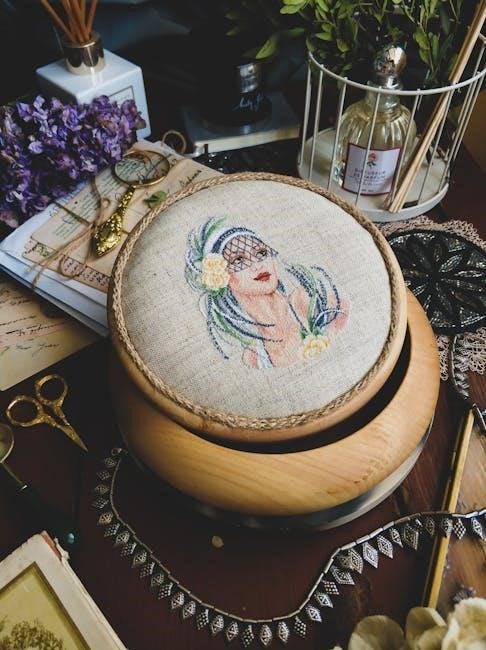
Free cross stitch charts PDF offer a delightful and accessible entry point into this rewarding craft, providing patterns readily available online for instant enjoyment․
Fat Quarter Shop and LoveCrafts are excellent resources, boasting diverse designs suitable for all skill levels and seasonal preferences, downloadable in convenient PDF format․
What is Cross Stitch and Why is it Popular?
Cross stitch is a counted thread embroidery technique, creating pictures with X-shaped stitches on fabric, traditionally Aida cloth․ Its enduring popularity stems from its simplicity, affordability, and meditative qualities․
Free cross stitch charts PDF amplify this appeal, removing financial barriers to entry and fostering creativity․ The craft allows for personalized gifts, home décor, and stress relief․
The accessibility of free patterns, like those found on Fat Quarter Shop and LoveCrafts, encourages beginners while offering seasoned stitchers endless design possibilities․ It’s a timeless hobby!
The Appeal of Free Charts
Free cross stitch charts PDF democratize the hobby, making beautiful designs accessible to everyone regardless of budget․ This is particularly appealing for beginners hesitant to invest in expensive patterns․
The vast variety available – from seasonal themes to intricate artwork – ensures there’s something for every taste․ Platforms like LoveCrafts and Fat Quarter Shop offer extensive collections․
Downloading free patterns allows stitchers to experiment with styles and techniques without commitment, fostering skill development and creative exploration․ It’s a fantastic way to build a pattern library!
Where to Find Free Cross Stitch Charts PDF
Free cross stitch charts PDF are readily available online at sites like Fat Quarter Shop and LoveCrafts, offering diverse designs and convenient downloads․
Fat Quarter Shop ⸺ A Reliable Source
Fat Quarter Shop consistently provides a fantastic selection of free printable cross stitch patterns in downloadable PDF format․ They offer a wide variety of designs, encompassing options suitable for every season and special occasion․
You’ll discover patterns with diverse color combinations and themes, making it easy to find something that sparks your creativity․ This shop is known for its high-quality offerings and user-friendly website, ensuring a pleasant experience when searching for your next stitching project․ It’s a dependable resource for both beginners and experienced stitchers!
LoveCrafts ౼ A Hub for Variety
LoveCrafts stands out as a major online marketplace, aggregating an impressive collection of free downloadable cross stitch patterns PDF from both renowned brands and independent designers․ This platform truly functions as a central hub for a vast array of stitching options․
With hundreds of free patterns available, LoveCrafts caters to diverse tastes and skill levels․ Whether you’re seeking intricate designs or simple motifs, you’re likely to find something to inspire your next project within their extensive digital library․ It’s a go-to destination!
Other Online Marketplaces Offering Free Patterns
Beyond Fat Quarter Shop and LoveCrafts, numerous other online marketplaces provide access to free cross stitch charts PDF․ Exploring these platforms expands your options and introduces you to a wider range of designers and styles․
Websites dedicated to crafts and needlework frequently host free pattern sections, updated regularly with new designs․ Don’t overlook dedicated blogs and social media groups, often sharing exclusive free PDF patterns created by enthusiastic stitchers – a treasure trove awaits!
Types of Free Cross Stitch Charts Available
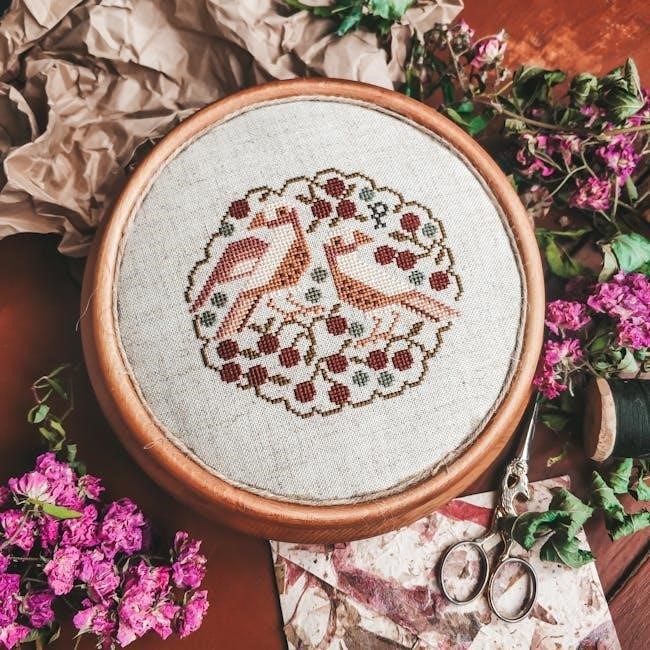
Free cross stitch charts PDF encompass diverse themes, including seasonal designs, holidays, florals, animals, alphabets, and beginner-friendly patterns, catering to every preference․
Seasonal Charts (Spring, Summer, Autumn, Winter)
Seasonal cross stitch charts PDF beautifully capture the essence of each time of year, offering vibrant designs for every crafter․ Spring patterns often feature blossoming flowers and cheerful birds, while summer brings sunny landscapes and beachy motifs․
Autumn charts showcase falling leaves, pumpkins, and cozy harvest scenes, perfectly embodying the season’s warmth․ Winter designs frequently depict snowflakes, festive ornaments, and charming snowscapes․
These free patterns allow stitchers to create a rotating collection reflecting the current season, adding a personalized touch to home décor or gifting opportunities․
Holiday Charts (Christmas, Halloween, Easter)
Holiday cross stitch charts PDF are incredibly popular, offering festive designs to celebrate special occasions throughout the year․ Christmas patterns abound with ornaments, snowmen, and religious imagery, perfect for creating seasonal decorations or heartfelt gifts․
Halloween charts feature spooky ghosts, pumpkins, and playful bats, adding a touch of whimsy to the season․ Easter designs showcase bunnies, eggs, and spring flowers, embodying renewal and joy․
These free patterns provide a delightful way to personalize holiday celebrations with handmade artistry․
Floral and Botanical Designs
Floral and botanical cross stitch charts PDF represent a timeless and beloved category within the free pattern world․ These designs often showcase delicate roses, vibrant sunflowers, and intricate wildflower arrangements, bringing the beauty of nature indoors․
Botanical charts frequently feature leaves, branches, and stems, offering a more realistic and detailed representation of plant life․
Such patterns are ideal for creating serene wall art, charming embellishments, or thoughtful gifts, appealing to a wide range of tastes and skill levels․
Animal-Themed Charts
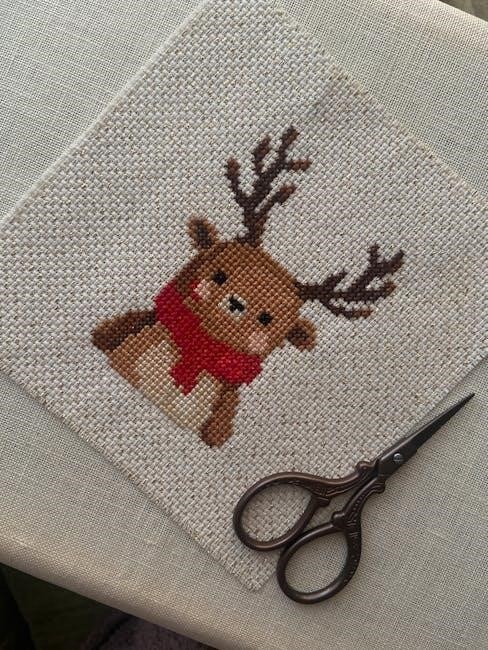
Animal-themed cross stitch charts PDF are incredibly popular, offering a diverse range of adorable creatures to stitch, from playful kittens and loyal dogs to majestic lions and graceful birds․
Free patterns often include realistic depictions or charming cartoon-style animals, catering to different aesthetic preferences․
These charts are perfect for nurseries, children’s rooms, or as gifts for animal lovers, adding a touch of whimsy and personality to any space․ Many designs feature simple stitches, making them beginner-friendly․
Alphabet and Monogram Charts
Alphabet and monogram cross stitch charts PDF provide fantastic opportunities for personalization, allowing stitchers to create custom pieces with initials, names, or meaningful words․
These free patterns often feature a variety of fonts and styles, ranging from classic and elegant to modern and playful, to suit diverse tastes․
Ideal for creating personalized gifts, baby blankets, or home décor, these charts offer a versatile and thoughtful way to express creativity and add a unique touch․
Simple Charts for Beginners
Simple cross stitch charts PDF are invaluable for those new to the craft, offering manageable projects to build confidence and learn fundamental techniques without feeling overwhelmed․
These beginner-friendly patterns typically feature small designs, limited color palettes, and straightforward stitch counts, making them quick and satisfying to complete․
Many free resources, like those found on Fat Quarter Shop and LoveCrafts, specifically cater to beginners, providing clear instructions and easy-to-follow charts for a successful first experience․
Understanding Cross Stitch Chart Formats
Cross stitch chart PDFs utilize symbols representing stitches, a corresponding legend, and a grid indicating stitch placement, essential for accurate replication of the design․
PDF Format ౼ Advantages and Requirements
PDFs are the dominant format for free cross stitch charts due to their universal compatibility and preservation of design integrity across different devices․
This ensures the pattern appears as intended by the designer, regardless of the user’s operating system․ To view and print these charts, you’ll need a PDF reader like Adobe Acrobat Reader, readily available as a free download․
Accurate printing is crucial; ensure your printer settings are configured for actual size to maintain the chart’s grid accuracy, preventing distortion during stitching․
Chart Symbols and Legend
Cross stitch charts utilize symbols to represent each color of embroidery floss, forming a visual map for your stitching project․
A comprehensive legend accompanies the chart, clearly associating each symbol with a specific floss color – typically DMC or Anchor – and its corresponding code number․
Understanding this key is fundamental; carefully cross-reference symbols with the legend to ensure accurate color placement, resulting in a beautiful and faithful reproduction of the design․
Grid Size and Stitch Count
Cross stitch charts are built upon a grid, where each square represents one stitch on your Aida cloth․
The grid size and total stitch count dictate the finished dimensions of your project; a higher stitch count generally means a larger, more detailed design․
Charts clearly indicate these measurements, allowing you to calculate fabric size and floss requirements accurately․ Pay close attention to these numbers to ensure a successful and appropriately sized finished piece․
Essential Supplies for Cross Stitching
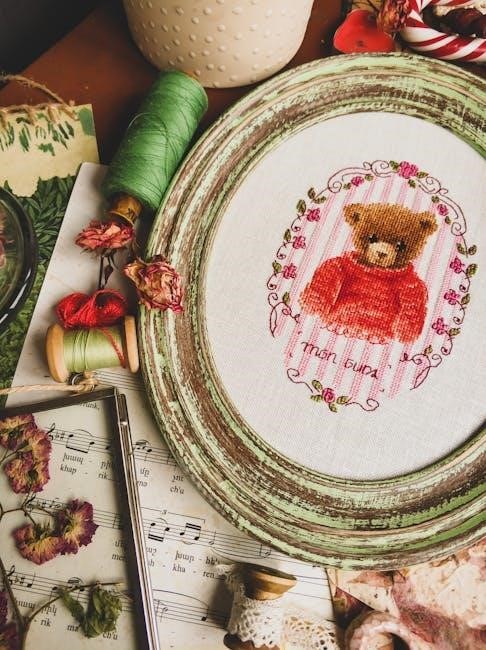
Successful cross stitch requires key materials: Aida cloth, embroidery floss (DMC or Anchor), needles, and a hoop – all readily available for vibrant creations!
Aida Cloth ⸺ Choosing the Right Count
Aida cloth is the foundation for most cross stitch projects, and selecting the correct ‘count’ is crucial․ Count refers to the number of squares per inch; lower counts (like 14) create larger stitches, ideal for beginners or intricate designs from free cross stitch charts PDF․
Higher counts (16, 18, or even 22) yield smaller, more detailed stitches, perfect for complex patterns․ Consider the chart’s stitch count and desired finished size when choosing․ A lower count will result in a larger finished piece, while a higher count will create a smaller, more refined result․
Embroidery Floss ⸺ DMC vs․ Anchor
When working with free cross stitch charts PDF, selecting embroidery floss is key․ DMC and Anchor are the two most popular brands, both offering a vast color range and excellent quality․ DMC is known for its consistent color and widely available selection, often specified in free patterns․
Anchor floss boasts a slightly different sheen and color palette․ While interchangeable for most projects, slight variations may occur․ Most charts will indicate the preferred brand, but either can be used successfully, ensuring a beautiful finished piece․
Needles ౼ Sizes and Types
Successfully completing free cross stitch charts PDF relies on choosing the correct needle․ Tapestry needles are ideal, featuring a blunt tip that slides between fabric fibers without splitting them․ Needle size corresponds to the Aida cloth count; larger counts require larger needles․
Sizes 24-28 are common․ A size 24 is good for 14-count Aida, while a 26 or 28 works well with 16-18 count․ Experiment to find what feels comfortable․ Always use a new needle to prevent snagging and ensure clean stitches․
Embroidery Hoops ౼ Sizes and Materials
When working with free cross stitch charts PDF, an embroidery hoop is essential for maintaining fabric tension․ Hoops come in various sizes; choose one slightly larger than your design․ Common materials include wood and plastic․
Wooden hoops offer a classic feel, while plastic hoops are often more affordable and lightweight․ Spring tension hoops automatically adjust, simplifying the process․ Ensure the fabric is taut but not stretched, preventing distortion of your stitches․
Tips for Downloading and Using Free Charts
Free cross stitch charts PDF require careful review before starting; check print quality and adjust sizing as needed for optimal stitching results․
Checking Chart Quality Before Starting
Before committing to a free cross stitch chart PDF, thoroughly assess its quality․ Zoom in to ensure symbols are clear, distinct, and easily differentiable – blurry charts lead to frustrating errors․
Verify the legend is complete and accurately corresponds to the symbols used throughout the pattern․ A missing or incorrect legend renders the chart unusable․
Check for any obvious inconsistencies or errors in the grid itself․ A quick scan can reveal misplaced stitches or illogical color placements․ Taking these preliminary steps saves time and prevents disappointment later in the stitching process․
Printing Charts Correctly
Accurate printing is crucial when using free cross stitch chart PDFs․ Always select “actual size” or “100% scale” in your printer settings to avoid distortion of the grid and symbols․
Perform a test print of a small section of the chart, using a ruler to verify that 10 squares on the chart correspond to the intended fabric count (e․g․, 10 squares = 1 inch on 14-count Aida)․
Use high-quality paper to prevent ink bleed-through, obscuring symbols․ Consider printing in grayscale to save ink, as color isn’t essential for stitching․
Adjusting Chart Size if Needed
Sometimes, free cross stitch chart PDFs need resizing to fit your preferred fabric or desired finished size․ Image editing software allows scaling, but maintain aspect ratio to prevent distortion of the design․
Increasing the size will require more stitches and fabric, while decreasing it may make symbols harder to read․ Calculate the new stitch count carefully before printing․
Many programs offer gridlines to aid in accurate scaling․ Always test print a section after resizing to confirm the chart’s clarity and dimensions before starting your project․
Copyright and Usage Rights of Free Charts
Free cross stitch chart PDFs typically permit personal use, but commercial exploitation—selling finished pieces—is often restricted by the designer’s copyright․
Always review the usage terms provided with the chart to ensure compliance․
Understanding Permitted Uses
Free cross stitch chart PDFs generally grant permission for personal, non-commercial use, meaning you can stitch the designs for yourself, gifts, or charitable purposes․
Creating finished pieces for friends and family is widely accepted, fostering a sense of community and sharing the joy of the craft․
However, reproducing the charts for resale, or using the designs to create products for commercial gain, is usually prohibited without explicit permission from the copyright holder․
Always check the specific license accompanying each chart to understand the boundaries of acceptable use․
Restrictions on Commercial Use
Free cross stitch chart PDFs typically carry strict limitations regarding commercial applications․ Selling completed pieces made from these charts is generally prohibited without obtaining a license․
Reproduction of the chart itself, even in altered form, for resale is a clear copyright violation․
Using the designs to create products for sale – such as finished items in a craft fair – requires explicit permission from the pattern designer․
Violating these restrictions can lead to legal consequences, so always prioritize respecting the creator’s rights․
Resources for Beginner Cross Stitchers
Beginner cross stitchers can find helpful tutorials and vibrant communities online, alongside numerous free chart PDFs, fostering skill development and creative inspiration․
Online Tutorials and Videos
Numerous online platforms offer fantastic resources for learning cross stitch, especially when utilizing free chart PDFs․ YouTube channels dedicated to needlecraft provide step-by-step visual guides, covering everything from basic stitches to more complex techniques․
Websites like DMC’s official site and various crafting blogs host detailed tutorials, often demonstrating how to read charts and select appropriate materials․ These resources are invaluable for beginners navigating their first projects with downloadable patterns, ensuring a smooth and enjoyable learning experience․
Cross Stitch Forums and Communities
Engaging with online cross stitch communities is incredibly beneficial when working with free chart PDFs․ Forums and social media groups provide spaces to ask questions, share progress, and receive feedback from experienced stitchers․
These platforms often feature dedicated threads for discussing specific patterns, troubleshooting issues, and discovering new free resources․ Active communities foster a supportive environment, enhancing the enjoyment and learning process for all levels, especially those new to downloadable patterns․
Recommended Beginner Kits
Starting with a beginner kit alongside free cross stitch chart PDFs can simplify the learning curve․ Kits typically include Aida cloth, embroidery floss, a needle, and a basic pattern – all essential supplies․
Look for kits specifically designed for beginners, often featuring simple designs and clear instructions․ These provide a tangible foundation before tackling more complex free patterns․ Combining a kit’s materials with freely available charts allows for practice and creative exploration․
Advanced Techniques for Cross Stitching
Free cross stitch charts PDF can inspire experimentation with backstitching, French knots, color blending, and multi-strand floss work for intricate designs․
Backstitching and French Knots
Free cross stitch charts PDF often benefit from added detail using backstitching, defining shapes and creating outlines for a polished look․ This technique employs a simple straight stitch following the chart lines․
French knots, though initially challenging, introduce texture and dimension, particularly effective for floral centers or animal eyes․ Mastering these embellishments elevates projects beyond basic stitching․
Many free patterns showcase these techniques, encouraging stitchers to expand their skills and achieve more complex, visually appealing results․ Practice is key to perfecting both!
Blending Colors and Shading
Free cross stitch charts PDF can be dramatically enhanced through skillful color blending and shading techniques, adding depth and realism to designs․ Utilizing varying floss shades within a similar color family creates subtle transitions․
Strategic placement of darker hues in areas of shadow and lighter shades in highlights simulates light and form․ This elevates a simple pattern into a more sophisticated piece․
Experimenting with color variations, even within free charts, unlocks artistic potential and allows for personalized interpretations of the original design․
Working with Multiple Strands of Floss
Free cross stitch charts PDF often don’t specify floss strand count, offering creative freedom․ Using multiple strands of embroidery floss impacts stitch coverage and texture․
More strands create bolder, fuller stitches, ideal for larger designs or when a more substantial look is desired․ Fewer strands produce a delicate, airy effect, suitable for detailed work․
Adjusting strand count allows customization of free patterns, altering their appearance and feel․ Experimentation is key to achieving the desired aesthetic within your cross stitch project․
Staying Updated with New Free Charts
Following cross stitch blogs and social media, plus signing up for newsletters, ensures you discover the latest free cross stitch charts PDF releases regularly․
Following Cross Stitch Blogs and Social Media
Staying current with free cross stitch charts PDF requires actively engaging with the online cross stitch community․ Numerous blogs dedicated to needlework consistently showcase new free patterns and curated collections․
Platforms like Instagram, Pinterest, and Facebook host vibrant cross stitch groups where designers and enthusiasts share their latest creations and links to downloadable free charts PDF․
Hashtags such as #crossstitch, #freecrossstitch, and #crossstitchpattern are invaluable for discovering fresh content and connecting with fellow stitchers․ Regularly checking these sources guarantees you won’t miss out on exciting new designs!
Signing Up for Newsletters
Subscribing to newsletters from cross stitch retailers and designers is a fantastic way to receive free cross stitch charts PDF directly in your inbox․ Many shops, like Fat Quarter Shop and LoveCrafts, offer exclusive freebies to their subscribers as a thank you․
These newsletters often announce new pattern releases, special promotions, and curated lists of free charts PDF, ensuring you’re among the first to know about exciting opportunities․
It’s a convenient and reliable method for building your pattern library without constant searching!
Troubleshooting Common Cross Stitch Problems
When using free cross stitch charts PDF, knots and mistakes happen! Gently untangle floss and use a seam ripper for errors, preserving your Aida cloth․
Dealing with Knots and Tangled Floss
Working with free cross stitch charts PDF often involves managing embroidery floss, which can easily become knotted or tangled․ Prevention is key – don’t use excessively long strands, as they tangle more readily․
If knots do occur, gently try to work them out with a needle or your fingers; avoid pulling forcefully, which can weaken the floss․ For severe tangles, consider cutting the floss and re-threading your needle․ Regularly laying your floss neatly can also minimize tangling during your stitching process․
Fixing Mistakes in Your Stitching
Even when using free cross stitch charts PDF, mistakes happen! Don’t despair․ A seam ripper is your best friend for carefully removing incorrect stitches, one at a time․ Work slowly to avoid damaging the Aida cloth․
For isolated errors, simply unpick the flawed stitches and re-stitch them correctly․ Larger mistakes might require unpicking several stitches in the surrounding area․ Always double-check your chart as you correct, ensuring accurate placement of each stitch for a flawless finish․
Be First to Comment